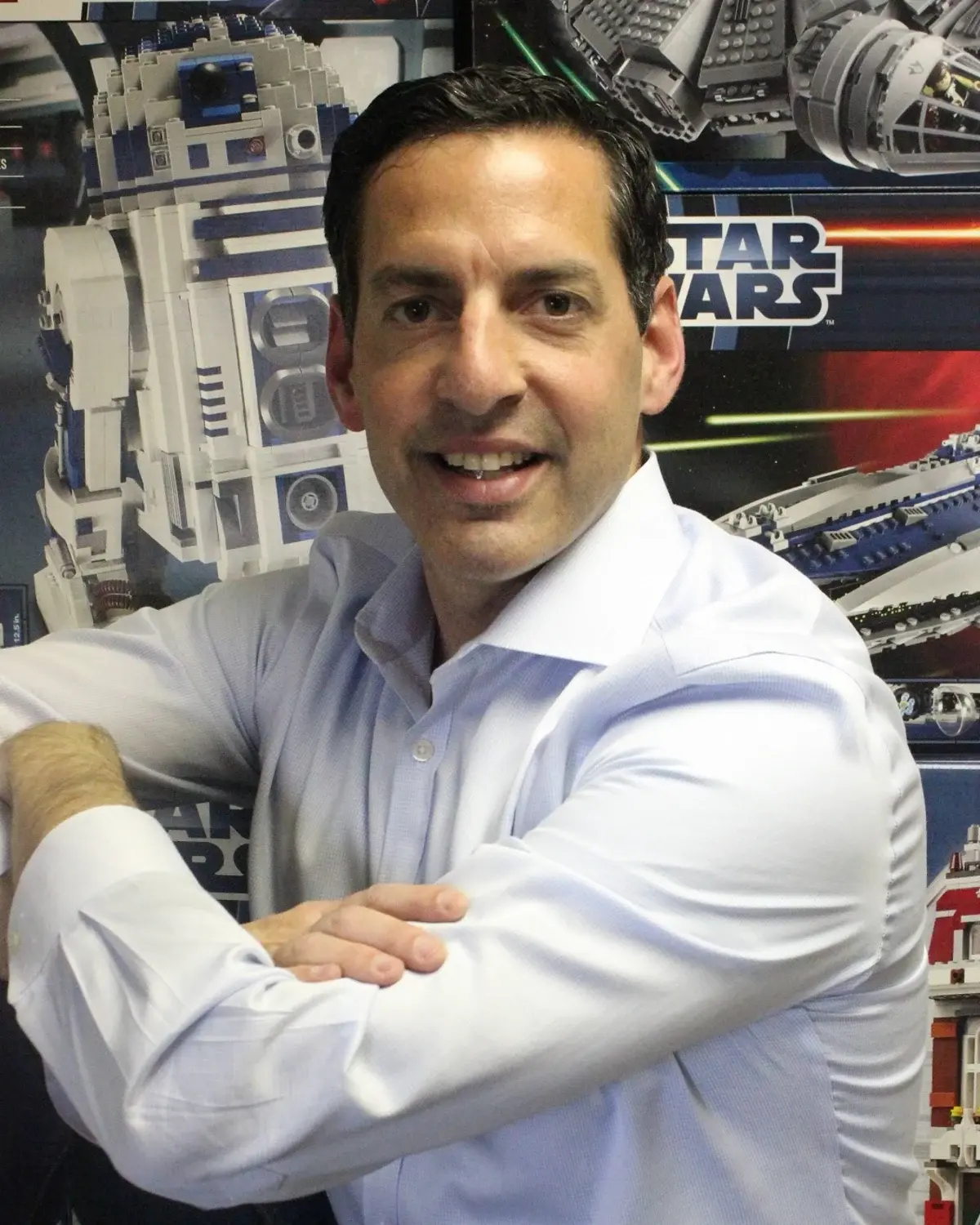
Ranan Lachman
CEO at Pley
Ranan Lachman is the founder of Pley.com, a toy rental subscription service that saves families up to 70% on toys, reduces clutter and benefits the environment by recycling toys and preventing them from ending up in landfills. Pley teaches children one of the most valuable life lessons to be learned from a young age - to share. Pley’s innovativesharing economy model has won several industry awards. Giving back to the community has always been extremely important to Pley. It has partnered with Second Change Toys, a non-profit, and donates a toy to an underprivileged kid for every new member that joins the service. Ranan is also the founder of the Sharing Economy Forum, a non-profit organization that brings together 50+ leading Sharing Economy companies (including Airbnb, TaskRabbit etc.) their CEOs, thought leaders and academia to establish standards for Sharing Economy companies. The Sharing Economy Forum’s goal is to elevate consumer awareness to the merits of the sharing economy. It aims to ensure best practices, champion the sector and act as a single voice for the industry. The forum members act with the understanding that we all depend upon and are responsible for each other and that we should promote a social mission that better our society. Prior to founding the Sharing Economy Forum and Pley, Ranan founded GreenCrest Capital, a financial advisory firm that was acquired by Oppenheimer (NYSE: OPY). Ranan was a technology investment banker who conducted cross-border mergers and acquisitions and initial public offerings, an associate at a venture capital firm, and served as a F-4 fighter pilot in the Israeli Air Force. Ranan obtained his MBA from Warwick University and the Fuqua Business School at Duke University and a BA in Computer Science. He is also a triathlete and has completed several marathons and ironman races.
What’s the single best piece of business advice that helped shape who you are as an entrepreneur today, and why?
As a former fighter pilot, I’ve learned that it’s better to take a decisive and immediate action (even if it is mediocre) than wait to figure out a genius maneuver. Odds are that by the time you’ll figure out the genius maneuver, an enemy plane has already shot you down. As an entrepreneur, I’m constantly running and making data-driven decisions. I refuse to look back and question them.
What’s the biggest mistake you ever made in your business, and what did you learn from it that others can learn from too?
The biggest mistake I’ve made as an entrepreneur was trying to please venture capitalists while I was pitching to them during our first round of financing.
Most VCs know very little about your business, especially when it comes to disruptive ideas that have never been done before. Albeit their inexperience, some of them came up with irrelevant suggestions on how to change my company. Although our business is extremely successful, I changed my focus and lost precious time.
In the end, however, instead of trying to please the money gatekeepers, I learned to ignore the noise. You need to take capital only from investors who are really passionate about your business; not necessarily just passionate about their ideas for your business.
What do you do during the first hour of your business day and why?
I usually start my day at 5:30 a.m. with a long run or spinning. It allows me to think through the top three things I want to accomplish. I write down my goals on my iPhone and make sure they get done by the time I leave work.